• Are Bali Car Rental Drivers Also Tour Guides? Honest Insights Before You Book

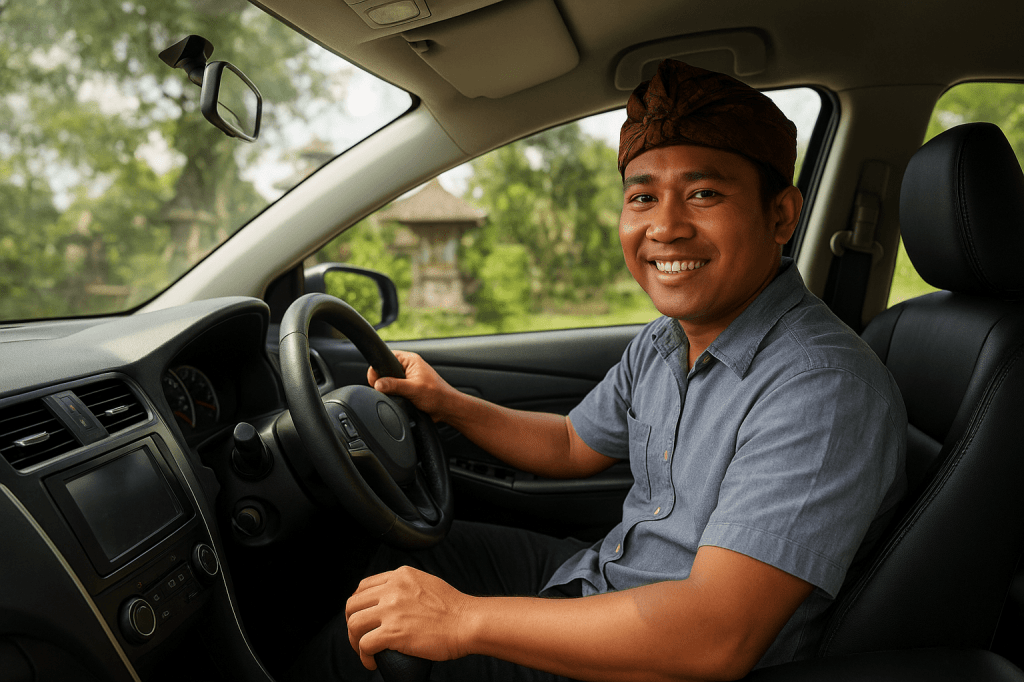
    If you’ve ever Googled Are Bali car rental drivers also tour guides, you’re not alone. I get this question constantly from friends planning their first Bali trip. The short answer is: many drivers in Bali naturally double up as storytellers, local experts, and trip planners—but it’s not always part of the deal you’re paying for. Some drivers are just there to get you safely from point A to B, while others will happily explain temple history, recommend food spots, and even handle your entry tickets at tourist attractions. The tricky part is knowing what kind of driver you’re getting before you book.

    Why People Ask If Bali Drivers Double as Local Experts

    A lot of travelers head to Bali thinking they’ll rent a scooter or grab a Grab (ride-hailing app). But then reality hits: Bali traffic is intense, roads are narrow, and scooters can be dangerous if you’re not experienced. That’s when hiring a car with a driver starts making sense.

    Now here’s the interesting part—many Bali drivers do end up sharing cultural tidbits, recommending warungs (local eateries), and suggesting hidden waterfalls you won’t find on TripAdvisor. But here’s the catch: not every driver has the same level of knowledge, patience, or English skills.

    I’ve met drivers who basically acted like walking encyclopedias, giving me the backstory of every temple carving, and I’ve also had some who just cranked up the radio and drove silently for hours. Neither is wrong—it just depends on what you expect from the experience.

    Read also: Telaga Waja River Rafting Bali

    The Unwritten Role of Drivers in Bali

    If you’re booking through a local rental company, many drivers naturally consider it part of their job to “host” you while on the road. It’s not officially written in their job description, but years of experience with curious travelers have made them pretty savvy in explaining things.

    One driver told me straight up, “Tourists always ask questions, so I learn to answer.” Over time, they pick up stories, history, even myths that get passed down from one driver to another. Sometimes it’s 100% accurate history, other times it’s folklore blended with fact. Either way, it’s fun and adds depth to the trip.

    That being said, if you want someone licensed to explain cultural significance in detail (like why certain offerings are placed at temples), then you should technically hire a professional tour operator. According to the Indonesian Ministry of Tourism, only certified guides are allowed to conduct full historical and cultural tours. Drivers may know a lot, but they’re not always officially trained in those areas.

    How to Tell If Your Bali Driver Will Be More Than Just a Driver

    Here’s where personal experience comes in handy. Over the years, I’ve picked up a few clues before booking:

    • Communication before booking: If the driver is proactive in suggesting itineraries or asking about your preferences, that’s usually a sign they’re comfortable acting as a casual tour buddy.
    • Reviews matter: On platforms like Google or even WhatsApp recommendations from past tourists, you’ll often see phrases like “he explained everything” or “she recommended the best spots.” Those are good signs.
    • English level: It’s not about fluency, but comfort. A driver who can converse easily will naturally share more stories.
    • Price differences: Some car rental companies offer “driver only” rates and “driver + tour host” packages. Pay attention, because the cheaper option might literally just be transportation.

    I once hired a driver who quoted me a slightly higher daily rate compared to others. At first I hesitated, but then realized he planned the whole day, called ahead to check traffic at certain spots, and even explained temple etiquette so I wouldn’t embarrass myself. Totally worth it.

    Cost Breakdown – Are You Paying for Knowledge or Just the Ride?

    On average, a Bali car with a driver costs around IDR 600,000–800,000 for 8–10 hours (roughly USD 40–55). That includes fuel and parking. But here’s the thing: the more “tour-like” the service, the more the rate can creep up to IDR 1,000,000 (USD 65+).

    If you’re wondering if it’s worth the extra cost, think of it this way—are you the kind of traveler who wants to just see the sights, or do you want to understand them too? If you’re happy Googling facts on your phone while being chauffeured, then a regular driver works. But if you’d rather have someone explain why Balinese people place small baskets of flowers and rice at doorsteps every morning, then a driver who also acts as a cultural companion is worth paying more for.

    Common Scenarios Where Drivers Act Like Local Hosts

    • Temple visits: Many drivers explain what to wear, how to walk respectfully, and the basic meaning of offerings.
    • Food recommendations: Drivers almost always know better local warungs than what you’ll find online. My driver once detoured us to a roadside stall in Ubud where the satay was smoky, juicy, and literally cost 10,000 rupiah a stick (less than $1).
    • Shortcut knowledge: Bali traffic is wild, and local drivers know side roads that Google Maps doesn’t always suggest. One time my driver shaved off 40 minutes from the journey by weaving through rice paddies.
    • Negotiating entry fees: Sometimes they’ll even help bargain or buy tickets for you at local rates. Not guaranteed, but it happens.

    But again, don’t assume all of this is automatic. Some drivers just drive.

    Comparing Drivers vs Licensed Tour Hosts

    This is where people often get mixed up. A driver in Bali can be extremely knowledgeable, but legally speaking, they’re not recognized as certified cultural experts.

    • Drivers: They focus on transportation, safety, and sometimes storytelling.
    • Licensed tour operators: They’ve passed government exams, hold licenses, and are trained in detailed history, architecture, and cultural significance.

    So if you’re visiting something complex like Besakih Temple or Tirta Empul, and you really want to understand the symbolism, a proper tour host is better. But if you just want to enjoy the view, take photos, and get a few casual explanations, a driver is plenty.

    Why Travelers Often Prefer Drivers Over Tour Operators

    This might sound funny, but many travelers prefer chatting with drivers rather than professional operators. Why? It feels more natural. Drivers talk like locals—they mix jokes with real life insights.

    One of my drivers told me about his kid’s school exams while driving me to Tanah Lot, then casually explained how ceremonies work there. It felt less like a lecture and more like hanging out with a friend. That’s something you can’t always get with formal tours.

    And let’s be honest: a driver who laughs with you about traffic jams or shares a funny temple superstition makes the whole day way more memorable.

    Things to Clarify Before You Book a Bali Driver

    If you’re planning to rent a car with a driver in Bali, here are some things worth asking ahead of time:

    • “Do you usually help explain places along the way?”
    • “Can you recommend good local food spots?”
    • “Do you help plan the itinerary, or should I make my own list?”
    • “What’s included in the rate—parking, fuel, waiting time?”

    Asking these questions upfront avoids disappointment. It also shows the driver you’re expecting more than just a ride, which helps them adjust how they interact with you.

    My Honest Take – Do Bali Drivers Make Good Tour Hosts?

    In my experience—yes, most of the time. Some of the best travel stories I’ve collected came from conversations in the front seat of a rented car. Like the time a driver explained how the rice terrace system works (known as subak), which is actually recognized by UNESCO. Or the time another one warned me about tourist scams at Mount Batur, saving me from an overpriced “mandatory” guide.

    That said, not every driver is cut out for it. Some are shy. Some prefer silence. And some are just there for the paycheck. So you can’t expect a full cultural lesson unless you’ve clarified it before.

    Real-Life Stories That Show the Difference

    Let me share two opposite experiences I had that really highlight how different Bali drivers can be.

    The first was with a driver in Uluwatu who was pure business. He drove me from my hotel to the Kecak Fire Dance show, waited in the parking lot, and then took me back. That’s it. No chatting, no restaurant tips, nothing. Honestly, it wasn’t bad—I got where I needed to go—but it felt like something was missing.

    Contrast that with another trip in northern Bali. This driver was practically my buddy for the day. On the way to Sekumpul Waterfall, he stopped at a roadside fruit stall and introduced me to salak (snake fruit). I’d never even heard of it, but he showed me how to peel and eat it, and told me which ones were sweet versus sour. Then, while driving past a rice terrace, he explained how local farmers still use the subak irrigation system that dates back centuries. That day, I learned more about Bali than I ever did scrolling through travel blogs.

    A Quick Note on Respect and Expectations

    Something travelers sometimes forget: drivers are not obligated to entertain you. Many of them will happily share stories, but it’s good to show interest and respect. If you just sit on your phone the whole ride, don’t expect them to pour out information. But if you ask questions like “How do Balinese weddings work?” or “What’s that ceremony I saw by the roadside?” you’ll often unlock a whole world of stories.

    Also, remember that drivers aren’t guides in the legal sense. If you’re visiting a sacred temple, don’t expect them to walk you inside explaining every detail—they’ll often wait outside. That’s just how it works in Bali.

  • Telaga Waja River Rafting Bali: Honest Talk from a Local Who’s Done It Too Many Times

    So let’s just get this outta the way first: Telaga Waja river rafting Bali is one of the best things you can do if you’re visiting East Bali and want something more than just temples and beach clubs. I’m not saying that lounging in Canggu isn’t a vibe—believe me, I’ve done plenty of that—but sometimes you just want to feel alive, ya know? That’s what Telaga Waja gives you. It’s raw, real, and a little ridiculous in the best way possible.

    Read also: How Much is a Driver in Bali?

    What Is Telaga Waja River Rafting All About Anyway?

    Alright, let me break it down for you real simple. Telaga Waja River is located in Karangasem Regency, East Bali. It’s about a 2-hour drive from the usual suspects like Ubud or Seminyak, depending on traffic. But oh man, it’s worth the trek. Unlike the more famous Ayung River in Ubud, which is honestly kinda tame unless it’s raining, Telaga Waja has more bite to it.

    We’re talkin’ class III and IV rapids here. That means you’re definitely getting wet, probably screaming, and maybe even questioning your life decisions at some point mid-ride (in a good way). The river stretches over 14km and the ride takes about 2.5 hours, give or take. Trust me, your arms will feel it afterward.

    The thing that makes Telaga Waja stand out though isn’t just the rapids—it’s the setting. This river cuts through thick jungle, waterfalls, rice terraces, and even goes under a little bamboo bridge at one point. It’s legit cinematic. Like, you’ll want to go back through your GoPro footage just to double-check if it was real.

    My First Time Was a Disaster… But in the Fun Way

    Okay, story time. First time I did Telaga Waja rafting, I was overly confident. I thought, “How bad can it be? I’m from here. I’ve done Ayung. I’ve surfed in Kuta. Bring it on.” Mistake.

    I wore flip-flops (rookie move), forgot to bring a dry bag, and thought I could keep my phone in a ziplock in my shorts pocket. Long story short, I lost the flip-flops, cracked my phone screen, and had the time of my life. I laughed so hard my jaw hurt the next day. I also slipped climbing back into the raft and got a nice bruise that looked like Bali itself for a week. Not kidding.

    So yeah, lesson learned. Telaga Waja is wild in all the best ways—but it demands respect. You’re out in nature, flying over rapids, sometimes getting launched in the air and sucked back in. You gotta come prepared, both mentally and gear-wise.

    What You Actually Need to Know Before Booking

    Let’s get into the nitty-gritty, because this is the stuff I wish someone had told me before I went. There’s a lot of “Instagram vs reality” going on out there when it comes to Bali adventure tours.

    Best Time to Go Rafting on Telaga Waja

    So here’s the thing—you can technically go all year round, but the experience totally changes depending on the season.

    • Dry Season (April to October): This is the safest and most popular time. The water levels are lower, which means the rapids are a little calmer and it’s easier for beginners. Views are clear, skies are usually blue, and the scenery is stupid beautiful.
    • Rainy Season (November to March): The rapids get way more intense. Like, white-knuckle intense. If you’re an adrenaline junkie, this is your jam. But if you’re not super confident in water, maybe skip this season.

    What to Bring (and What Not To)

    Okay, don’t make the same mistakes I did. Here’s what you actually need:

    • Secure water shoes or sandals with straps – Leave the flip-flops at the villa.
    • Change of clothes – You’ll get soaked. Like, “I-just-jumped-in-a-river” soaked.
    • Towel – Seems obvious, but you’d be surprised how many folks forget.
    • Dry bag or waterproof phone case – If you absolutely must bring your phone.
    • Cash for tips or cold drinks – Most places don’t take cards in that area.

    And please, for the love of all things good, don’t wear jeans. You’ll hate yourself.

    Is It Safe Though? Let’s Be Real

    People ask me this a lot. “Hey Broto, is Telaga Waja rafting safe?” And my answer is… mostly, yes. But you gotta choose the right operator.

    There are like a dozen companies offering tours on the Telaga Waja River. Some of them are super pro—well-maintained gear, trained guides, proper safety briefings. Others? Ehh… not so much. You can usually tell by the price. If it sounds way cheaper than everyone else, ask yourself why.

    Look for companies that offer:

    • Life jackets and helmets that actually fit
    • Certified river guides who speak decent English
    • Insurance coverage (ask for proof!)
    • Small group sizes (big groups = chaos)

    I’ve rafted with Sobek, BMW Rafting, and Telaga Waja Adventure. All solid. But even the best guides can’t stop you from being a little reckless, so follow the safety rules, alright?

    The Unexpected Stuff That Made It Awesome

    Here’s the stuff no one really tells you in those glossy brochures or sponsored blog posts.

    • The water is cold. Not freezing, but cold enough to make you gasp if you fall in. It’s actually super refreshing, especially when the sun’s blazing, but if you’re sensitive to temps, maybe layer up a bit.
    • The rice fields. Midway through, you’ll float past these epic, bright green rice paddies. It’s so peaceful that it feels like you’re suddenly in a Miyazaki film. You can literally hear frogs and distant roosters. Then BAM—more rapids.
    • Waterfalls. There are several small waterfalls along the way. One of them, if your guide’s chill, you can go under. It’s like nature’s shower and feels amazing after all the adrenaline.
    • That One Drop. Near the end of the course, there’s a 4-meter drop that looks scarier than it is. It’s 100% safe but totally stomach-flipping. And yeah, someone always screams. Sometimes it’s me.

    Who Should Actually Do This? (And Who Probably Shouldn’t)

    Okay, real talk. Telaga Waja rafting ain’t for everyone.

    If you’re traveling with:

    • Young kids under 8 – Most operators won’t even let them ride.
    • Elderly folks or anyone with back/knee issues – The boat does not go easy on your spine.
    • People who can’t swim – While you’re wearing a life vest, it’s still risky if you panic in the water.
    • Folks afraid of water or fast movement – This is not a gentle floaty river cruise.

    But if you’ve got a decent fitness level, can handle a little chaos, and want a story to tell back home? This one’s gonna stick with you.

    Other Stuff To Do Nearby After You’re Soaked and Sore

    Don’t just get back in the van and leave. You’re already in East Bali—might as well explore a little.

    • Tirta Gangga Water Palace – Only like 30 minutes away. Super chill, gorgeous koi ponds, statues, and you can dip your toes in if it’s hot.
    • Lempuyang Temple (“Gates of Heaven”) – Insta-famous, yes. But also genuinely cool if you go early or don’t mind skipping the photo queue.
    • Local warungs – Forget fancy restaurants. Stop at any roadside warung for some nasi campur and an ice-cold Bintang. You’ve earned it.

    What It Actually Costs (And What You Get)

    You’ll see prices ranging from IDR 300,000 to 700,000 per person (~$20–$45 USD). That usually includes:

    • Hotel pick-up & drop-off
    • Rafting equipment (helmet, paddle, vest)
    • Guide and river entrance fee
    • Buffet lunch (often better than you’d expect)

    Watch out for “too good to be true” deals. Some of them leave out the transport, or worse—serve up sketchy safety practices. Always read reviews, and if you’re staying in a hotel or guesthouse, ask them to book with someone they trust.

    Why I Keep Coming Back Even After 6 Times

    You’d think after the 2nd or 3rd time, the novelty would wear off. But nah. Every trip down the Telaga Waja River is a little different. Sometimes the river’s higher. Sometimes I bring new friends and get to watch them freak out in the best way. Sometimes the sun hits the cliffs just right and it feels like I’m in some fantasy movie.

    It’s one of those rare activities in Bali that actually lives up to the hype—no filters needed. And it connects you to the island in a way that beach lounging just doesn’t.

    How to Book Telaga Waja River Rafting Without Getting Ripped Off

    So this part’s important. Booking in Bali can feel like a bit of a gamble sometimes, especially if you’re walking around and suddenly someone’s waving a laminated brochure in your face offering “special price today only.” Look, I’ve lived here long enough to tell you: 90% of those prices are negotiable, and sometimes, it’s just better to book online before you even get to Bali.

    Here’s the breakdown:

    • Direct with Operator: Companies like BMW Rafting and Sobek have websites you can book through. They’ll usually give you the full package: transport, lunch, guide, etc.
    • Local Tour Counters: These are everywhere in Ubud, Kuta, Seminyak, Sanur. You can haggle here. If the first guy says 600K, offer 400K and see where it lands. They usually have wiggle room.
    • Your Homestay or Hotel: Honestly, this is the safest and usually fair-priced option. Locals have connections with the good operators and often get you better transport pick-up zones too.
    • Online Platforms: Klook, Viator, GetYourGuide—they’re convenient, but check the fine print. Sometimes the tour provider is vague and the customer service is slow if something goes sideways. That said, they’re great if you’re not a big haggler.

    Oh, and please don’t book from some random dude on the beach. I’ve seen it go wrong too many times. Like, one guy booked rafting, ended up on a sketchy snorkeling boat in Amed. Not even kidding.

    What It Feels Like When You’re Actually on the River

    Alright, lemme walk you through it like you’re actually in the raft with me.

    First off, the guide will shout out some commands: “Boom boom!” (which means duck your head), “Forward!” (paddle), “Stop!” (uhh… stop paddling, obviously), and the all-important “Hold on!” (brace for impact).

    The first few minutes are usually calm, kinda like the universe luring you into a false sense of security. Then suddenly—BAM—you hit your first real rapid. Water’s splashing in your face, you’re bouncing like a pinball, someone’s screaming (again, might be me), and the raft’s twisting around sharp rocks like it’s got a mind of its own.

    Then it calms down again. You float through these gorgeous narrow canyons where vines hang down and butterflies just casually flutter by like you didn’t almost die 3 seconds ago. There are these random bamboo pipes that cross over the river carrying water from the hills to the rice fields. Feels like you’re in a National Geographic documentary or something.

    Then the drops come. There’s one where the whole raft goes down a 1.5-meter slide and another where it feels like you’re going off a cliff (you’re not, it’s like 4 meters max). But man, your heart jumps into your throat every time.

    And then… silence. Just jungle sounds, your soggy clothes, and that dumb grin on your face because you did it.

    Stuff You’ll Only Learn After You’ve Done It Once

    Here’s a few random-but-useful things I’ve only learned after doing Telaga Waja rafting way too many times:

    • There’s a sneaky photographer. Somewhere mid-route, there’s always a guy hiding in the bushes taking action shots. You’ll see them printed at the finish line for like IDR 50,000–100,000. Sometimes they’re hilarious. One time mine looked like I was about to cry. Worth every rupiah.
    • Don’t eat too much before the ride. I’m all for supporting local warungs but stuffing your face with spicy mie goreng 10 minutes before rafting? Rookie mistake. Just don’t.
    • Hold your paddle the right way. Your guide will explain it, but I swear half the people still end up whacking themselves—or others—in the head. Grip it loose, not like you’re trying to slay a dragon.
    • Sunscreen is a must, even on cloudy days. That East Bali sun has no chill. Especially since you’re out on the open river for a couple hours.
    • You might fall in—and that’s okay. Just don’t panic. Keep your feet up, lean back, and wait for the guide to pull you back in. It’s kinda fun once you get over the shock.

    What Makes Telaga Waja Rafting Way Better Than Ayung River (Sorry Ubud)

    I love Ubud, I really do. But when people ask me if they should do rafting on the Ayung or Telaga Waja, I don’t even hesitate.

    Here’s why Telaga Waja wins:

    • Longer ride: Ayung is around 10km, Telaga Waja is up to 14–16km depending on water level. More river = more fun.
    • Fewer crowds: Ayung is beautiful but it’s busy. Like, “rafting bumper cars” kind of busy during peak season. Telaga Waja is quieter and feels more remote.
    • Bigger rapids: Ayung is mostly class II–III, Telaga Waja throws you into class III–IV. If you’re gonna call it an adventure, make it one.
    • Less pollution: Real talk—Ayung has a bit of a trash problem. Telaga Waja? Way cleaner, especially in the upper stretches.
    • Waterfalls + rice fields combo: I’ve said it before, but it’s wild how you can be in the middle of this adrenaline-pumping moment and then just… peace. Rice paddies, waterfall mist, and dragonflies everywhere. It’s unreal.

    Can You Bring Kids or Older Folks? Kinda…

    So I get asked this a lot—“Can I bring my 9-year-old?” or “Can my 65-year-old dad do this?”

    Here’s what I tell people:

    • Most companies have a minimum age of 8 or 9. And your kid should be pretty brave. If they freak out in a wave pool, probably not a good idea.
    • Older folks are okay if they’re fit. Like, if your mom does yoga and goes hiking every weekend, she’ll probably love it. But if she’s got a bad back or knee surgery history, I’d steer clear.
    • Everyone has to sign a waiver. So don’t think you can sneak someone in just ’cause they look young or healthy. The guides check.

    And for real—if someone’s not feeling it, don’t force them. I’ve seen a few guests bail halfway and it just makes things awkward for the rest of the group.

    Random Funny Stuff That Happens Every Time

    Part of the charm of doing something over and over is that you start noticing patterns. Here’s some stuff that always happens during Telaga Waja rafting:

    • Someone drops their paddle and the guide has to chase it down like a ninja.
    • A tourist gets caught under a little waterfall because they’re trying to take a selfie.
    • A group tries to splash another raft and then gets destroyed by karma in the next rapid.
    • Someone forgets to tighten their helmet and ends up looking like a bobblehead.
    • Someone thinks they can “stand up” at a calm section and then hilariously falls in.

    It’s all part of the fun. No judgment. You’ll probably do one of these things too—and you’ll laugh about it all the way back to your villa.

  • How Much is a Driver in Bali? (And What You Really Get for the Price)

    If you’ve been poking around online wondering how much is a driver in Bali, you’re definitely not alone. I get this question a lot, especially from first-timers heading to Bali who are trying to figure out whether to brave a scooter rental or just hire someone who knows the roads (and the chaos) like the back of their hand. Trust me, once you’ve seen Bali traffic, the thought of sitting back while someone else deals with the honking and scooters weaving in and out like bees will sound very appealing.

    What You’ll Pay for a Driver in Bali (It’s Not Just One Flat Rate)

    Let’s get straight into it. The cost of hiring a private driver in Bali isn’t super fixed—it depends on a bunch of things: how long you need them, where you’re going, whether you want a full-day or half-day ride, and how “touristy” your driver is.

    On average, a full-day private driver in Bali (8–10 hours) will cost you anywhere between IDR 500,000 to 800,000, which is about USD 30–50. That usually includes gas, parking fees, and sometimes even bottled water and Wi-Fi in the car (yep, some drivers offer that now). If you’re doing just a short half-day (4–5 hours), you can expect to pay around IDR 300,000 to 450,000 (USD 20–30).

    Read also: Bali sunset

    Now, if you’re heading to more remote places like Lovina or Amed, or doing a crazy-long day trip from Ubud to the southern beaches and back, the price could bump up a bit. That’s fair—those drives are long and tiring, and gas ain’t free.

    Is It Worth Hiring a Driver in Bali?

    Let me put it this way: if you value your sanity and want to avoid playing real-life Mario Kart on narrow roads with zero signage, then yes. 100% yes.

    A private driver in Bali isn’t just someone who drives you from point A to B. Most of them double up as local guides. They know the traffic patterns, hidden shortcuts, clean toilets (a big deal when you’re on the road for 10 hours), where to get cheap coconut water, and which temples are worth your time. They’ll even tell you which beach warungs make the best nasi campur.

    Once, I had a driver named Pak Made in Ubud who literally saved me from getting scammed at a coffee plantation. He just gave the staff a look and bam, they backed off. I tipped him extra that day, and we’re still in touch via WhatsApp. That’s what you’re really paying for—the local know-how, not just a ride.

    Different Kinds of Drivers (And How They Operate)

    So here’s where it gets kinda nuanced. Not all drivers in Bali work the same way. Some are independent guys who run their own gig, usually through WhatsApp or Instagram. Others work for tour companies, and then there’s your hotel or villa staff who might have “a cousin who drives.”

    Let me break it down a bit:

    Independent Drivers

    These are usually the best value for money. They set their own prices, they’re super chill, and you can often negotiate directly with them. Just be respectful—don’t lowball them. Ask what’s included. Some of them include parking fees, some don’t.

    I’ve found most of my favorite drivers through Bali expat Facebook groups and recommendations from other travelers. The cool part? Once you find a good one, you can rebook them every day of your trip. They’ll even plan your itinerary if you’re clueless.

    Hotel Drivers

    Convenient? Yes. Cheap? Nah, not usually. Hotels tend to mark up prices. I once asked my hotel in Seminyak for a driver to Uluwatu—they quoted me 950K IDR for a day. I walked down the street and found someone for 600K. Exact same van. Same day. Still kind of salty about that.

    Tour Packages

    Tour agencies will give you the “all-in” package: driver, itinerary, water, sometimes entry tickets. It’s good if you want zero hassle. But it’s usually more expensive and less flexible. They run on a fixed schedule, so don’t expect to linger at a waterfall or take spontaneous pit stops at roadside satay stalls.

    Areas That Affect Pricing

    Yes, location makes a difference in what you pay. Here’s the general vibe:

    • Ubud: Lots of independent drivers, competitive prices. Most offer temple routes, rice terraces, and swings.
    • Seminyak / Canggu: Prices slightly higher. More expats and tourists here, so drivers can charge more.
    • Uluwatu / Bukit: Fewer local drivers, so expect to pay a premium unless you arrange pickup in advance.
    • Amed / Lovina / North Bali: Long distances. Drivers might charge a one-way fee if they’re not staying the night.

    I once had to get from Canggu to Amed. The driver quoted me 950K. I thought it was steep—until we hit hour 3 and I realized the guy had skipped lunch and still helped me check into my guesthouse. Tipped him big time.

    What’s Typically Included (And What’s Not)

    Don’t assume everything is part of the deal. Always ask! Here’s what’s usually included in that IDR 500K–800K price:

    • Driver fee for 8–10 hours
    • Petrol (if they say “not included,” run)
    • Parking fees (sometimes)
    • Bottled water
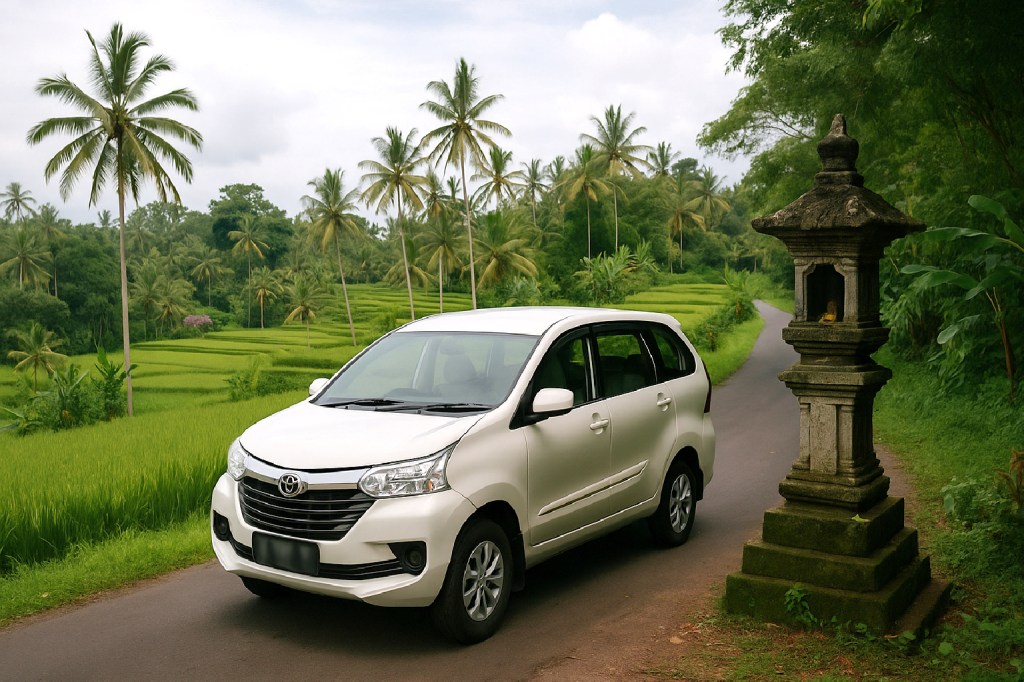
    • Air-conditioned car (Toyota Avanza or similar)
    • Basic English-speaking driver

    What’s not included?

    • Entrance fees to temples and attractions
    • Your meals
    • Overtime (past 10 hours) – usually around IDR 50K/hour
    • Tips (totally optional but appreciated)

    Always clarify before the trip starts. I once had a driver try to hit me with a surprise IDR 100K parking charge after the trip. Awkward convo, lemme tell you.

    How to Book a Driver in Bali

    These days, booking a private driver is way easier than it used to be. Here’s how most people do it:

    • WhatsApp: Still the king in Bali. Most drivers operate through it. You can ask around, get rates, and confirm plans all in one app.
    • Instagram: Search hashtags like #balidriver or #driverbali – lots of them post daily routes and testimonials.
    • Facebook Groups: “Canggu Community” or “Ubud Community” – ask for driver recs, and you’ll get 20 replies in under an hour.
    • Your Hotel/Villa: Quick and easy, but like I said earlier, not always the cheapest.

    One more thing: don’t just go with the cheapest option. Ask questions. Are they insured? How’s their English? Do they have AC? Are they cool with kids if you’re traveling as a fam?

    Local Etiquette and Tipping Culture

    Look, tipping isn’t mandatory in Bali, but it’s appreciated—especially if the driver’s gone out of their way to help you, carried your bags, waited while you took a million pics, or dealt with your screaming toddler all day.

    I usually tip IDR 50,000 to 100,000 depending on how helpful they were. If they were just okay, maybe 30K. But if they acted like your unofficial tour guide and made the whole day feel easy and stress-free, show some love.

    Also—if they stop at a restaurant or shop and you feel like they’re getting a commission, they probably are. That’s normal. Just be chill about it, and if you don’t like the spot, just politely say you’d rather go somewhere else.

    When’s the Best Time to Hire a Driver in Bali?

    Try to book at least 1–2 days ahead, especially in high season (June–September or Christmas/New Year). Drivers get booked up fast, especially the good ones. I’ve had trips where I messaged 6 drivers and only one was available.

    Morning pickups usually start around 8–9 AM. If you’re doing sunrise hikes or early temple visits, ask if they’re cool doing a 4 AM pickup. Most will, for a slightly higher fee.

    Real-Life Tips from My Many Bali Trips

    Here’s some random stuff I’ve learned after hiring drivers probably 30+ times over the last few years:

    • Always exchange WhatsApp numbers. Makes communication 10x easier.
    • Screenshots help. Send maps, photos of your villa, or the cafe you’re at. Don’t just send names—they get reused all the time in Bali.
    • Pay in cash unless they accept QRIS. Many don’t have credit card machines, but most locals now take QRIS (Indonesian payment QR).
    • Don’t try to squeeze in 10 stops. Bali traffic is brutal in some areas. You’ll spend your day sitting in the car if you overplan.
    • Music matters. If you like chill vibes, ask if you can play your own Spotify or bring a playlist. Trust me, a good roadtrip playlist makes all the difference on long drives to the north.

    Is a Bali Driver Cheaper Than Renting a Scooter?

    Here’s the deal—scooter rental costs about IDR 60K–80K per day. Way cheaper, right? But factor in gas, helmets, potential police fines (yes, they do random checks), and the mental strain of navigating roads with zero rules.

    If you’re confident, solo, and staying mostly in one area like Canggu or Ubud, scooter might make sense. But if you’re traveling with family, older folks, or want to cover multiple spots in one day, just get a driver.

    I once tried to “save money” by renting a scooter to get from Ubud to Lempuyang Temple. I aged about 5 years in that trip and couldn’t feel my butt for a week. Never again.

    What Happens When It Rains (Or Things Go Sideways)

    Okay, here’s something I learned the hard way: rain in Bali is no joke. Especially if you’re headed up to places like Bedugul or Kintamani. I remember one trip where it started pouring mid-day, and we had to skip two waterfalls because the trails turned into slippery rivers. Our driver, bless him, had backup suggestions on the fly—took us to a cozy warung with killer hot tea and crispy banana fritters instead. Totally saved the day.

    Most experienced drivers have backup plans, but not all do. When booking, ask:
    “What if the weather’s bad—do you have alternative ideas?”
    The pros will rattle off at least three options without blinking.

    Also, if roads get blocked (which can happen after a storm), drivers usually get info way faster than tourists do. That local intel is gold, especially when Google Maps hasn’t updated anything yet. You won’t get that from just renting a scooter or taking a Grab.

    Traveling With Kids, Surfboards, or a Ton of Baggage?

    Yep, this matters. The typical driver in Bali uses a Toyota Avanza or Daihatsu Xenia—compact MPVs that are fine for 2–3 adults with moderate luggage. But if you’re rolling with a family, surfboards, or four suitcases (guilty), you’ll want to make sure they’ve got a bigger vehicle. Some have Toyota Innova, or even vans like the HiAce, but you gotta ask in advance.

    I once had a surf trip planned with two mates and our boards. Booked a driver, showed up, and he had a tiny hatchback. No way were the boards fitting. We wasted an hour finding a new ride and ended up paying more because it was last-minute. Total rookie mistake.

    The Awkward Stuff: Cancellations, Miscommunication, and Sketchy Vibes

    Let’s get real for a sec—every once in a while, you’ll come across a driver who’s just not a good fit. Maybe they’re too pushy about “tourist stops,” maybe they disappear halfway through the day, or they just straight up give off weird energy.

    Here’s how I deal with it:

    • Set expectations early. Before you even get in the car, say something like, “Hey, I’m not into shopping stops or coffee plantations—cool?” If they hesitate, move on.
    • Confirm pick-up times the night before. I usually send a message around 7–8 PM just to check in. “Still good for tomorrow at 9 AM?” That small ping has saved me from two no-shows in the past year.
    • Have a Plan B driver on standby. Sounds paranoid, but I always keep at least one backup contact in my WhatsApp. If things go sideways, you’re not stuck scrambling.

    And hey—if you feel uncomfortable, trust your gut. I once had a guy who kept making sexist jokes in the car (not even directed at me, just generally gross). I cut the day short and didn’t rebook. You’re not obligated to spend 8 hours in a car with someone who gives you the ick.

    How to Pay Your Driver (Cash, QRIS, and Those Tricky ATMs)

    Most drivers still prefer cash, especially in rural areas. But a lot are switching over to QRIS (Indonesia’s universal QR code payment system). It’s tied to local apps like DANA, OVO, GoPay, etc., but some tourists can use international cards via apps like Wise or Revolut if they’ve added QR support.

    Here’s what I recommend:

    • Always ask what payment methods they accept when booking.
    • Withdraw enough cash at trusted ATMs—BCA, BNI, or Mandiri are usually safe bets.
    • Keep small denominations handy. It’s super awkward trying to pay IDR 600,000 with a 1 million note when they don’t have change. I’ve done it, and yeah, it’s as uncomfortable as it sounds.

    If you’re doing multiple days with one driver, some will ask for partial payment upfront. I usually do 50% at the start and the rest at the end—it’s common, and a sign of good faith on both sides.

    Solo Travelers, Female Travelers—Anything to Worry About?

    Honestly? Bali is one of the safest places I’ve traveled solo. That said, if you’re a solo female traveler, it helps to take a few extra steps.

    I always:

    • Stick with drivers who have solid reviews or personal recommendations.
    • Message a friend the driver’s name, plate number, and WhatsApp info before the day starts.
    • Sit in the back seat—not because I’m scared, but because it keeps a bit of personal space.

    Also, drivers are usually super respectful, especially if you dress modestly and are polite. One time, I had a sweet older driver in Kintamani who kept calling me “anak saya” (my child) and brought me fruit from his garden. He was genuinely just proud to show me his home village. Stuff like that melts your heart.

    Should You Rehire the Same Driver for Your Whole Trip?

    Short answer? If they’re good, absolutely.

    Once you find someone reliable, it makes planning the rest of your trip way easier. They’ll remember your preferences, won’t need to keep checking locations, and some even help you book restaurant reservations or find laundry services.

    Plus, they start to feel like family. One trip, I rebooked the same guy for 5 days straight, and by day three, he brought his wife to meet me because he thought we’d get along. We ended up doing a cooking class at their house on my last day. Still one of my favorite Bali memories ever.

    It’s also easier to negotiate multi-day packages. Some drivers will give you a small discount if you book them for several consecutive days.

    How to Avoid Tourist Traps (And When to Just Go With the Flow)

    Not all drivers do this, but some do get commissions from taking you to “silver shops,” “batik factories,” or coffee plantations that sell kopi luwak (the civet poop coffee). If you’re not into that scene, just say so politely. Most will respect it.

    On the flip side, some of those places can be fun—if you manage your expectations. I once got roped into a “handmade jewelry” stop, rolled my eyes… and then found a gorgeous ring that I still wear daily. Go figure.

    Sometimes, just going with the flow leads to cool surprises. As long as you’re not being pressured or hustled, lean into the random.

    Red Flags to Watch Out For

    Just to keep things honest, here are a few red flags I’ve learned to spot:

    • Unmarked cars with no business cards or ID. Not always shady, but I prefer drivers who’ve invested in a little branding—it shows pride in their work.
    • Pushy about adding stops. If someone keeps trying to steer you to “must-see” places you didn’t ask for, question why.
    • No pricing clarity. If they can’t give you a clear rate or try to play it vague, be cautious. Always get a firm number before getting in the car.
    • Sketchy vibes. Trust. Your. Gut.

    A Sample Day Itinerary with a Driver (Cost Breakdown Included)

    Just so you have a real-world idea of what it’s like, here’s one of my actual days with a driver in Bali:

    Start: Pickup from Ubud at 8:00 AM

    Stops:

    • Tegalalang Rice Terrace
    • Tirta Empul Temple
    • Coffee farm (my idea)
    • Lunch at a roadside warung
    • Tukad Cepung Waterfall
    • Back in Ubud by 5:30 PM

    Total Cost:

    • Driver: IDR 600,000 (including petrol + parking)
    • Entrance fees: IDR 100,000 total
    • Lunch: IDR 60,000
    • Tip: IDR 50,000

    All in, I spent less than USD $60 for a full day exploring central Bali without the headache of driving or navigating. And I came home with zero stress and some dope waterfall pics.

  • The Real Magic Behind a Bali Sunset (and Why People Go Nuts for It)

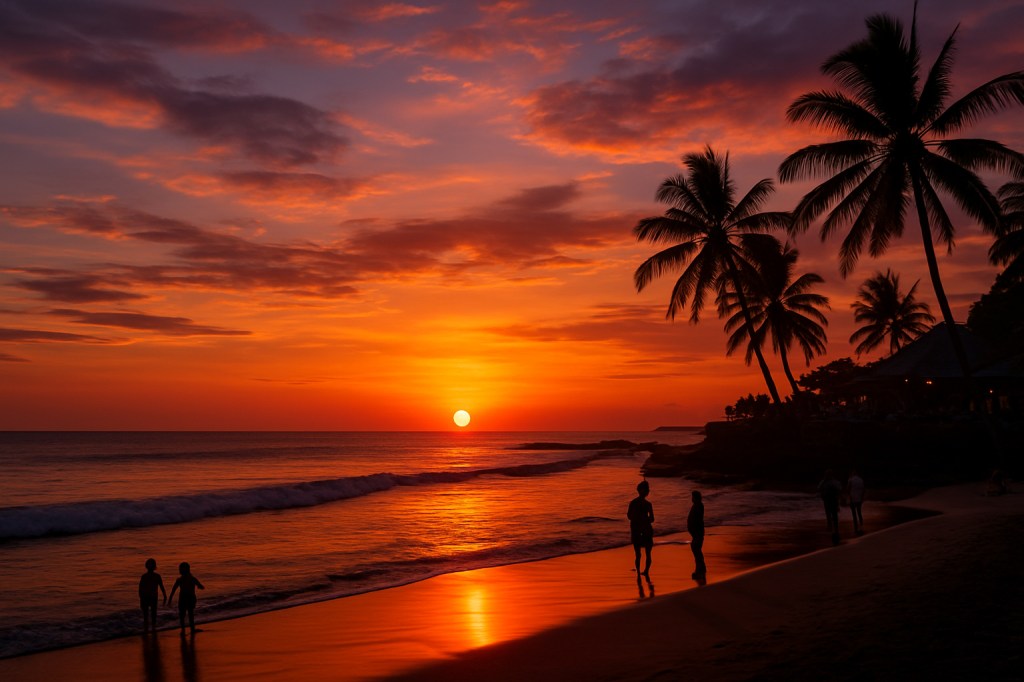
    Alright, let’s kick it off with the big one — Bali sunset. That phrase alone gets searched thousands of times a month, and honestly? I get it. There’s just something unreal about watching the sun sink over the horizon here. The colors aren’t just orange and pink — they’re fire. Deep coral reds, pops of violet, soft golden streaks, and this lazy blue that just melts everything together. It’s not just a pretty view — it’s a whole mood.

    Now, I’ve lived in Bali for a bit (okay, more like bounced in and out over the years), and I’ve watched that Bali sunset from just about every angle — beaches, cliffside bars, rice terraces, even from the back of a scooter caught in Canggu traffic. Trust me, not all sunset spots are created equal. Some are packed wall-to-wall with Instagrammers doing the same backlit spin move, while others? They’ll make you tear up, no joke. Especially if you’ve got a cold Bintang in your hand and your feet buried in warm sand.

    Read also: How Much Does It Cost to Live in Bali?

    Thing is, tourists come here thinking every sunset will be epic, but a lot depends on where you are, the weather, and yeah — timing. I’ll get into all that. But before we go there, just know this: a Bali sunset isn’t just about catching the sun go down. It’s a full-on experience. You feel it in your chest, especially when the locals are setting up their evening offerings or there’s some mellow gamelan music floating through the air.

    Let’s dig in, yeah?

    Timing Is Everything — Seriously, Don’t Miss the Sweet Spot

    Alright, I gotta get this one off my chest because I see it all the time — folks showing up too late, or way too early, then wondering why they’re just staring at the sky like it’s a blank canvas. Bali’s got this super-specific “golden hour” and you gotta hit that 30-45 minute window before actual sunset time. That’s when the sky starts warming up and the clouds (if you’ve got ‘em) do that cotton candy swirl thing.

    Sunset times shift slightly depending on the season, but here’s a rough guide:

    • May to August: Around 6:00 PM
    • September to November: Around 6:15 PM
    • December to February: Around 6:30 PM
    • March to April: Back to 6:00-ish

    But here’s the kicker — you don’t wanna arrive at 6:00 PM. Nah, you wanna be there by 5:15 PM at the latest. Grab your spot, chill out, get your drink or coconut, and just soak it all in.

    And hey, don’t just rely on Google for the sunset time. Check apps like Windy or Tideschart to see cloud coverage. Some of my best sunsets happened on days that looked “meh” on the weather app but turned explosive around 5:45 PM. You can’t always predict it. That’s the charm.

    Where to Watch the Bali Sunset (The Good, the Wild, and the Overrated)

    Okay, so let’s talk spots. You’ve probably heard of the big ones — Tanah Lot, Uluwatu, Echo Beach, and all that. And yeah, they’re iconic for a reason. But lemme break it down in real talk:

    Uluwatu – Cliffs, Drama, and That Fire Sky

    If you’re looking for those dramatic, postcard-perfect vibes, Uluwatu is hard to beat. The cliffs here? Insane. You feel like you’re on the edge of the world. And the way the sun drops into the ocean? Straight outta a movie. There’s a bunch of beach clubs like Single Fin (super touristy but still fun), but my go-to is grabbing a seat near Suluban Beach, with a cheap beer from a warung and no dress code.

    Heads up though: Uluwatu sunsets hit different when there’s surf. Something about the waves crashing below the cliffs while the sun bleeds into the horizon just… hits.

    But also, watch your stuff. The monkeys here? They’re straight-up thieves.

    Canggu – The Cool Crowd’s Favorite

    Canggu’s all hip cafes and tattooed nomads, and yeah, it can be a bit much sometimes. But I still love it, especially for sunset. Echo Beach is where the magic happens. You can sit at La Brisa, grab a beanbag at The Lawn, or just plop down on the sand. I usually go barefoot, with a cold coconut in one hand and a satay skewer in the other.

    Thing is, it gets crowded. And don’t expect silence — there’s usually a live DJ set or drum circle. But that’s part of the energy. If you’re feeling social or wanna dance your way into twilight, this is your spot.

    Tanah Lot – Temple + Sunset Combo

    Alright, Tanah Lot is super famous — it’s got this sea temple that literally sits on a rock in the ocean. And yeah, watching the Bali sunset behind it feels like something out of a dream. I recommend showing up early and wandering a bit before staking out a viewing spot.

    But warning: if you’re not into crowds, maybe skip this one. Or go on a weekday. The view is top-tier, but so are the selfie sticks.

    Also, don’t pay the overpriced snacks near the entrance. There’s better street food outside the complex.

    Amed – East Bali’s Sleepy Sunset Surprise

    So here’s a spot not a lotta folks talk about — Amed. It’s known more for sunrise, yeah, but you’d be surprised how wild the sunset colors get here, especially over Mount Agung. The reflection on the water turns this soft metallic gold that feels… ancient? I don’t know how else to describe it.

    You can sit on the black sand beach with barely any people around, maybe a local fisherman pulling in his net. It’s peaceful in a way that Canggu never will be.

    If you’re already doing a snorkeling or diving trip here, hang around for sunset. You won’t regret it.

    What Makes Bali’s Sunsets So Freakin’ Special?

    Okay, you might be wondering — why are sunsets in Bali different than back home? Science, baby.

    First, Bali’s tropical climate plays a big role. The warm, humid air scatters sunlight differently than cooler climates, making those vibrant purples and oranges pop harder. Also, the volcanoes (Agung, Batur, etc.) kick up tiny particles into the atmosphere. Those little guys catch light in the evening and send it bouncing around in wild ways.

    Add in the ocean haze, plus some fluffy clouds? Chef’s kiss.

    And the setting matters. Watching the sun dip below the sea, behind temples, cliffs, or palm trees just adds that extra storytelling layer. It’s not just about light — it’s about how it hits everything around you.

    The Best Things to Bring (Stuff Nobody Tells You About)

    Okay, quick gear talk. You don’t need a drone or $3k camera setup to enjoy a Bali sunset. But there are a few things I always have in my bag when I’m heading out:

    • Sarong: Not just for covering up, but also makes a great seat on rocky spots or sandy beaches.
    • Reusable water bottle: Bali gets hot, y’all. Stay hydrated.
    • Bug spray: Mosquitos love dusk.
    • Portable fan: Call me extra, but I love this little USB fan. Game changer while waiting.
    • Offline playlist: Sometimes reception dies, especially in cliffy spots. Load your tunes ahead of time.
    • Small snacks: Trust me, watching the sunset on an empty stomach is not cute.

    One time I forgot my sarong and ended up with sandy jeans and a sunburn. Not ideal.

    What to Avoid (Because Not Every Sunset Is Bliss)

    Alright, real talk — not every Bali sunset is worth writing home about. There are a few traps tourists fall into that just kill the vibe.

    • First off — sunset cruises. I’m not saying all of them suck, but most are overpriced, packed, and the view isn’t any better than what you’d get from shore. Plus, you’re trapped on a boat. No thanks.
    • Second — showing up last minute. I’ve seen people run down to the beach five minutes before sunset and then get bummed when it’s just a quick flash and done. You gotta let the sky warm up. It’s foreplay, not a sprint.
    • Third — over-editing your photos. I know we all want the perfect Insta shot, but honestly? Bali sunsets don’t need a filter. Let the colors speak. The real beauty is in the shifting light, not some pumped-up saturation slider.
    • Lastly — leaving too early. Some of the best light actually comes after the sun dips. It’s called blue hour and it’s freakin’ magical.

    My Favorite Bali Sunset Memory (That One Time It Got Me All Emotional)

    I was in Uluwatu, sitting on the cliffs behind a little warung that doesn’t even have a name. It was me, a local guy grilling corn, and two random surfers. The sun started going down, and I swear — the sky looked like it was on fire. Waves kept crashing below us, and a kid nearby was playing a bamboo flute. No joke.

    Nobody said a word for like 10 minutes. We just sat there, watching the sky change color.

    And then this old guy — maybe 70s? — just goes, “This is why I never left.”

    It hit me hard. I realized in that moment, the Bali sunset wasn’t just pretty — it was healing. It was quiet. It was everything I didn’t know I needed after a long, messy year.

    So yeah, when people ask me why I chase sunsets here, that’s why.

    Quick FAQs for the Bali Sunset Chasers (Stuff You’re Probably Wondering About)

    Can you see the sunset from Ubud?

    Not really, at least not the ocean kind. Ubud’s surrounded by jungle and hills. You can catch a stunning sky if you’re up high — like at a villa or yoga retreat — but it’s not the classic beach sunset. If you want a full view, drive out to Seseh or Cemagi. About 45 mins.

    Is sunset better in the wet season or dry season?

    Dry season (May–September) is more consistent. But the wet season? Surprise stunners. The clouds get all dramatic, and if it clears up in time — boom, showtime.

    Are there good sunsets on the east coast of Bali?

    Mostly sunrise over there. But in spots like Amed, you’ll get mountain silhouettes during sunset which are underrated. So yeah — it’s a vibe, just not your classic ocean-dipping sun.

    Can I swim during sunset?

    Totally. Just be cautious. Visibility goes down fast once the sun dips. Best to get your swim in early, then chill on the sand for the color show.

    So yeah, chasing that Bali sunset isn’t just about the ‘gram. It’s about slowing down for a sec. Letting the heat of the day fade out while the sky puts on its own quiet little show. Whether you’re chilling on the cliffs in Uluwatu or just kicking back in the sand at Echo Beach, there’s something grounding about it. Real peace-of-mind stuff.

    If you’re heading to Bali soon, make sure you give yourself a few evenings with nothing on the agenda except finding a spot, grabbing something cold to drink, and watching the light shift. Don’t overthink it. Some of the best moments happen when you’re not trying too hard. Just you, the sky, and that warm Bali breeze. And who knows — maybe one of those sunsets’ll stick with you for life.

  • How Much Does It Cost to Live in Bali? A Realistic Breakdown From Someone Who’s Been There

    So you’re sitting at your desk, probably daydreaming about rice paddies, tropical smoothies, and maybe ditching the 9-to-5 to move somewhere that actually feels like…life. Bali pops into your head—of course it does. But then the big question hits you: how much does it cost to live in Bali?

    Let me just cut to the chase: it depends. Yeah, I know, super unhelpful answer. But hang tight. I’m gonna break it down for you from someone who’s lived there, messed up a few things, figured out a bunch, and talked to a lot of other expats doing the same dance.

    Whether you’re a digital nomad, slow traveler, remote worker, retiree, or someone just looking for a serious change of pace, this guide’s gonna help you actually understand what it costs to live in Bali without any sugar-coating or clickbait nonsense.

    Rent in Bali – From Beach Bungalows to Jungle Villas

    Okay, straight up—housing is usually your biggest monthly expense anywhere. And in Bali? Same deal, but there’s way more flexibility than in places like the U.S., Australia, or the UK.

    So, you can spend anywhere from $200/month for a super basic room in a guesthouse to $2,000/month for a private pool villa in Canggu with all the Instagram vibes. Most folks land somewhere in between.

    Here’s a rough idea (and yes, this changes based on location, season, and how good you are at negotiating):

    • A simple room in Ubud or Kerobokan: $250–$450/month
    • A one-bedroom apartment in Seminyak or Canggu: $500–$900/month
    • A two-bedroom villa with a pool in Uluwatu: $1,200–$1,800/month

    If you’re staying long-term, don’t book on Airbnb—it’s way overpriced. Once you’re in Bali, look around. Ask locals. Walk the streets. Facebook groups like Bali Housing & Rental are goldmines. You’ll find way better deals from local landlords once you’re on the ground.

    Also, don’t sleep on yearly rentals. You can save a ton by paying upfront. I rented a 2-bedroom villa in Ubud for 85 million IDR (~$5,500 USD/year) and it included cleaning, garden maintenance, and WiFi. That’s less than $460/month. And yes, it had a pool.

    Eating Out vs. Cooking – Bali’s Food Costs Will Surprise You

    Here’s where Bali kinda spoils you. Eating out is so cheap that most people never cook. I mean, unless you really love it (or you’re trying to go keto, vegan, or do some niche health thing), you’ll probably eat out almost every day.

    Local warungs (little eateries) serve nasi goreng, mie goreng, chicken satay, and tons of tasty stuff for like $1–$3 a meal.

    Western-style cafés and restaurants are gonna run you a bit more, obviously:

    • Smoothie bowl in Canggu? $4–$6
    • Flat white? Around $2.50–$3.50
    • Burger and fries? Closer to $7–$10
    • Date night sushi in Seminyak? Yeah, expect $20–$30 per person with drinks

    If you cook at home (which I honestly only did when I got homesick and craved spaghetti), groceries aren’t as cheap as you’d expect. Imported stuff is pricey. Like, almond milk for $6, cheese for $8, a bottle of wine for $15+. Local fruits and veggies though? Super affordable. Mangoes, avocados, dragon fruit, tempeh—all that good stuff.

    I’d say most people spend about $200–$600/month on food, depending on how fancy you get.

    Transportation – Scooters, GoJek, and the Occasional Traffic Meltdown

    Alright, if you’re gonna live in Bali, you need to get comfortable with two things: scooters and helmets. Because driving a car in Bali is kinda like trying to wrestle a jellyfish—it’s just a mess.

    You can rent a scooter for $50–$70/month or buy one used for $500–$700 (and resell it later). Gas is dirt cheap—like $2–$3 for a full tank. Just make sure your international driver’s license is sorted or you might get stopped by the local police, and yeah, they’ll fine you (aka ask for a bribe).

    Not into driving? No worries. There’s GoJek and Grab (Southeast Asia’s version of Uber). You can ride pillion on a scooter for like $1–$2 per trip or get a car for longer rides. It’s super cheap and honestly kinda fun.

    I budget around $60–$100/month for transport and that’s with using a scooter almost every day.

    Internet & Mobile – Digital Nomads, You’re Safe Here

    This one’s big for remote workers. Internet in Bali is… mostly solid, especially in coworking spaces, cafés, and modern villas.

    If you’re renting long-term, make sure your place has fiber-optic or at least 20 Mbps. My villa in Ubud had 50 Mbps down, and I had no trouble Zooming or uploading videos.

    You can also get pocket WiFi as backup, or tether your phone. A SIM card with data is cheap:

    • Telkomsel SIM card: Around $1–$2
    • Monthly data package (30–40GB): $7–$10

    And yes, 4G is solid in most areas, especially in Canggu, Ubud, Seminyak, and Sanur. Remote areas like Sidemen or Amed? Might be a little spottier.

    Wellness, Gyms & Self-Care – Treat Yo’ Self Vibes

    Living in Bali means you’ll probably become that person who starts doing yoga, drinks green juices, and talks about energy healing. It just happens.

    Good news? Self-care is affordable here.

    • Yoga classes: $5–$10 each, or $50–$90/month for unlimited packages
    • Gym memberships: $20–$60/month, depending on how bougie the gym is
    • Massages (legit ones): $7–$15/hour
    • Chiropractor or physiotherapy sessions: Around $30–$50

    I used to get a massage every week—no shame. It’s just part of life there. Everyone’s into wellness, and you won’t break the bank to stay feeling good.

    Utilities – Electricity, Water & All That Boring Stuff

    Okay, this one kinda depends on your lifestyle. If you’re blasting the A/C 24/7, your electricity bill’s gonna spike.

    Here’s the breakdown from my place:

    • Electricity: $40–$80/month (more if you use A/C a lot)
    • Water: Usually included in rent
    • Garbage & Banjar (local village fees): Maybe $5–$10/month
    • WiFi (if not included): $20–$40/month

    Some villas charge you based on prepaid electricity via a token system. You just go to the nearest convenience store, give them your meter number, and they’ll top it up. Kinda like a prepaid phone card from 2002.

    Visa Costs – The Real Deal

    Ah yes, the visa rabbit hole. This trips a lotta people up, so let me lay it out plain.

    If you’re doing short-term (under 60 days), you can get a Visa on Arrival (VoA) for $35, which can be extended once for another 30 days. Easy peasy.

    But for longer stays, you’ll need something like:

    • Social-Cultural Visa (B211a): Around $300–$500, good for 180 days with extensions
    • KITAS (long-term work/stay visa): $$$$, varies massively (think $700–$2,000+)
    • Or go the Digital Nomad Visa route if it’s available when you’re reading this (it’s being talked about a lot)

    I always recommend using a legit visa agent in Bali. Don’t mess with overstay fines. They’re 1 million IDR/day, and it adds up real fast.

    Health Insurance & Medical Stuff

    Okay, I get asked this all the time. “What if I get sick in Bali?”

    Honestly, the healthcare is decent—especially in areas like Denpasar, Ubud, and Canggu where expat-friendly clinics are easy to find. Siloam and BIMC are two of the bigger hospitals people trust.

    A walk-in clinic visit can cost $15–$30. For more serious stuff, you’ll want travel or expat insurance.

    I use SafetyWing, which costs around $45/month, but some folks go with Cigna Global or Allianz if they need full coverage.

    Don’t skip this. Stuff happens—like Bali Belly, scooter accidents, or worse.

    For Families – Schools & Childcare Costs in Bali

    If you’re bringing kids, Bali actually has some awesome international schools—but they ain’t cheap.

    • Green School Bali: From $10,000–$20,000/year
    • Canggu Community School: Around $12,000–$18,000/year
    • Dyatmika or Pelangi School (a bit more affordable): $5,000–$9,000/year

    Some families go the homeschooling route, hire tutors, or use online curriculums to keep costs down. There’s a big community for that in Ubud and Canggu.

    Childcare and nannies though? Super reasonable. A full-time live-in nanny might cost you around $200–$400/month. And they’re usually amazing.

    So… What’s a Realistic Monthly Budget to Live in Bali?

    Here’s the million-rupiah question, right?

    Let me throw out a few lifestyle-based examples. Obviously, this can vary depending on your habits, where you live, and how fancy you like your lattes.

    Budget Nomad (Super Frugal)

    • Room in guesthouse: $250
    • Food (mostly local): $150
    • Scooter rental: $60
    • Data/Internet: $10
    • Misc: $80

    Total: ~$550/month

    Mid-Range Remote Worker (Balanced Living)

    • Private villa in Ubud: $600
    • Food (mix local/Western): $300
    • Scooter + GoJek: $100
    • Yoga/massages/gym: $100
    • Visa/insurance: $100
    • Utilities: $70
    • Misc: $130

    Total: ~$1,400/month

    Luxury Expat (No Holding Back)

    • Beachfront villa in Canggu: $1,800
    • Private driver + car: $400
    • Dining out daily: $600
    • Gym, yoga, wellness: $300
    • Insurance + visa: $200
    • Household staff: $300
    • Entertainment/shopping: $400

    Total: ~$4,000+/month

    So yeah, you really can live in Bali for under $700/month if you keep things super chill. But most folks I know average around $1,200–$1,800/month for a comfortable, fun lifestyle without going nuts.

    Which Areas in Bali Are Cheaper or More Expensive to Live In?

    This one’s a biggie. The cost of living in Bali isn’t the same all over the island—some spots are way pricier just because of demand, trendiness, or access to certain amenities.

    Let’s break down a few popular zones:

    Canggu – Trendy, Pricey, Digital Nomad Central

    Canggu is where all the surfboard-toting, MacBook-carrying nomads flock. It’s Bali’s answer to Venice Beach or Bondi. Think smoothie bowls, tattoos, boutique gyms, and traffic that’ll make you question your life choices.

    Rent here is high. Villas can go for $1,000–$2,000/month, especially near Echo Beach or Batu Bolong. But you’re paying for vibe and community. The coworking spaces (like Dojo, BWork, Outpost) are excellent, and everything’s within scooter distance.

    Cafés are more Westernized, so you’ll pay more, too. But it’s easy to network, and there’s always something going on—sunset jams, beach workouts, crypto meetups, etc.

    Ubud – Cheaper, Quieter, More Spiritual

    If you’re more into yoga, art, and being surrounded by jungle vibes, Ubud is your place. It’s noticeably cheaper than Canggu—rent is often $300–$700/month, and food can be way more local if you’re not hitting up the vegan restaurants every day.

    Life here’s slower. It attracts a more conscious crowd—lots of healers, artists, and people taking a break from the hustle. You’ll still find expats, but less influencer culture.

    Uluwatu – Surf Heaven With a Cost

    Down in the Bukit Peninsula, Uluwatu is all about those cliffside sunsets and perfect waves. It’s gotten more developed lately, so prices are creeping up. Villas can be $800–$1,500/month, but you can find older spots or more basic rooms for way less.

    This area’s not walkable, so scooter life is a must. Internet’s hit-or-miss depending on your spot, but for surfers and beach bums? It’s paradise.

    Sanur – Family Friendly, Under the Radar

    Sanur’s slept on. It’s super laid-back, great for families or retirees, and way calmer than Canggu. You’ll find solid long-term housing options around $400–$900/month, and the beach is chill—no big waves, which makes it great for kids or folks who don’t surf.

    It’s also got decent international schools, supermarkets with more imported goods, and better roads (thank god). The expat community here skews older, but that also means fewer drunk backpackers at 2am.

    Sneaky Costs You Probably Didn’t Think About

    Alright, here’s where stuff gets real. Everyone talks about rent and food, but there are a bunch of little expenses that pop up once you’re actually living in Bali. None of them are crazy expensive on their own, but they do add up.

    Here’s what caught me off guard my first few months:

    Laundry

    Most people don’t have washing machines in their rentals (especially short-term). You’ll drop your clothes off at a laundry service and pick them up 24 hours later—folded and smelling like heaven. It’s super convenient but adds up.

    • Regular laundry: $0.60–$1/kg
    • Weekly average for one person: $4–$8

    Cleaning Services

    Even if you’re in a small apartment, you’ll want cleaning help. Bali’s dusty. Ants show up overnight. Leaves blow in like it’s autumn.

    • Cleaner once/week: $15–$30/month
    • Daily staff (some villas include this): may be included in rent or $100–$200/month

    Retreats & Experiences

    You’ll get FOMO. Guaranteed. Yoga retreats, breathwork sessions, ecstatic dance, cacao ceremonies, you name it—Bali has it.

    • Weekend retreat in Ubud: $150–$300
    • Healing session with a Balinese priest: $30–$50
    • Sound bath with crystals and gongs: $15–$25

    None of this is “necessary,” but most people get curious. I told myself I’d just chill… two months later, I was barefoot at a full moon ceremony with a singing bowl on my head. Zero regrets.

    Visa Run Travel

    Depending on your visa, you might need to leave the country every couple months. That means booking flights to Singapore, Kuala Lumpur, or Bangkok just to reset your time.

    A quick visa run costs:

    • Roundtrip flight to KL or SG: $100–$150
    • 2-night stay: $50–$100
    • Food, transport, etc.: $50–$80

    So that’s $200–$350 every 2–6 months, depending on your visa and how fancy you wanna travel.

    Smart Ways to Save Money Living in Bali (That I Learned the Hard Way)

    Okay, if you’re still reading, you’re either already planning your move or at least 70% convinced. So let me throw you some stuff I wish I knew earlier. These aren’t magic tricks, but they will keep you from overspending like a rookie.

    Don’t Prepay for Housing Online

    Look, Airbnb is tempting, especially if you want to “secure something before you land.” But here’s the thing—prices are jacked up. Locals list the same place for 30–40% cheaper if you just walk in or contact them directly.

    Fly in, stay in a guesthouse for a week, and go house hunting. You’ll get way better deals.

    Learn Some Bahasa Indonesia

    Even a little bit goes a long way. When locals see you making an effort, they often give you better prices, or at least treat you less like a walking wallet.

    • “Berapa harganya?” = How much is this?
    • “Terlalu mahal!” = Too expensive!
    • “Saya tinggal di sini.” = I live here.

    Avoid Imported Foods

    The cheese aisle at Pepito? It’s a trap. Stick to local brands, shop at traditional markets for fruit and veggies, and skip imported wine (or at least ration it—yes, I said it).

    Rent a Scooter Monthly, Not Daily

    Daily scooter rentals run $5–$7/day, which adds up fast. Monthly rentals are way cheaper—$50–$70/month, sometimes with helmet and rain poncho included. Just check the brakes before you hand over the cash.

    How Digital Nomads Make It Work Long-Term

    If you’re coming to Bali to work remotely, you’re in good company. There’s a whole ecosystem built around it—coworking spaces, networking meetups, Nomad Festivals, etc.

    Here’s how most folks balance life and work:

    • Wake up early (sunrise here is beautiful and early)
    • Hit the gym or yoga
    • Work from a café with strong WiFi
    • Midday break (maybe a swim or massage)
    • Work again in the evening if needed
    • Sunset beach hang or social event

    You’ll see people working in cafés with their laptops out at all hours. No one looks twice. And coworking spaces? Worth it if you need reliable internet, A/C, printing, or to meet others.

    • Monthly coworking memberships: $120–$200
    • Day pass: $10–$15

    You can totally skip this if you have great WiFi at home, but I liked mixing it up just to avoid going stir-crazy.

    Currency, Cash & Paying for Stuff

    Quick heads-up if you’re used to tapping your card for everything—Bali’s not quite there yet.

    You’ll mostly be dealing with Indonesian Rupiah (IDR), and cash is king, especially in smaller towns or warungs.

    • 1 USD = ~16,000 IDR (fluctuates)
    • ATM fees: $2–$5 per withdrawal, so take out larger amounts
    • Best banks for expats: BCA, Mandiri, CIMB Niaga

    Some bigger places accept cards, but there’s often a 3% fee. GoJek, Grab, and food delivery apps use GoPay or OVO, which you top up with cash or local cards.

    Best combo? Local SIM + local digital wallet + some cash + a backup credit card for emergencies.

Design a site like this with WordPress.com
Get started